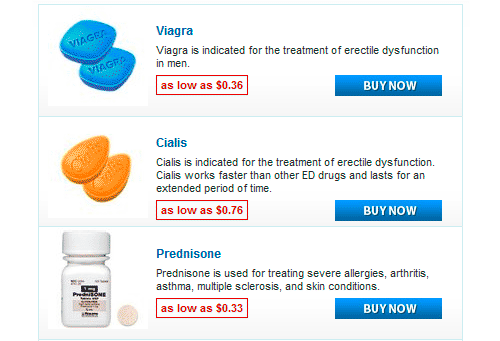

Manufacturer pricing significantly impacts the final cost. Brand-name medications tend to be more expensive than generics due to research and development costs. Generic versions, once patents expire, offer considerable savings.
Your insurance coverage plays a crucial role. Copays and deductibles vary widely depending on your plan. A high-deductible plan may initially require higher out-of-pocket expenses, while a prescription drug plan with a lower copay will reduce immediate costs.
Pharmacy location matters. Prices can fluctuate between pharmacies, even within the same city. Comparing prices at multiple pharmacies, both online and brick-and-mortar, before filling your prescription can save you money. Consider using pharmacy comparison websites or apps for convenience.
Prescription quantity affects the total price. Purchasing a larger quantity often reduces the per-unit cost. However, carefully assess your needs to avoid unnecessary medication waste.
Discounts and coupons from manufacturers or pharmacy loyalty programs offer potential savings. Ask your pharmacist about available programs or check online resources for coupons.
Finally, negotiating with your pharmacist directly about price is a valid strategy. They may be able to offer discounts or explore alternative options to reduce expenses. Remember to be polite and respectful.