Contact the FDA directly. Their website provides a reporting form for suspicious online pharmacies. Include the website address, any identifying information (like contact details or business registration numbers), and details about the medications offered.
Report to the Federal Trade Commission (FTC). The FTC handles consumer protection, and illegal online pharmacies often engage in deceptive practices. Their website offers an easy-to-use complaint form.
Alert your state’s board of pharmacy. Each state regulates pharmacies within its borders. Your state’s board can investigate and take action against unlicensed or illegal operators.
Gathering Evidence
Screenshots of the website, advertising materials, and emails are valuable evidence. Save order confirmations, payment records, and any communication with the pharmacy.
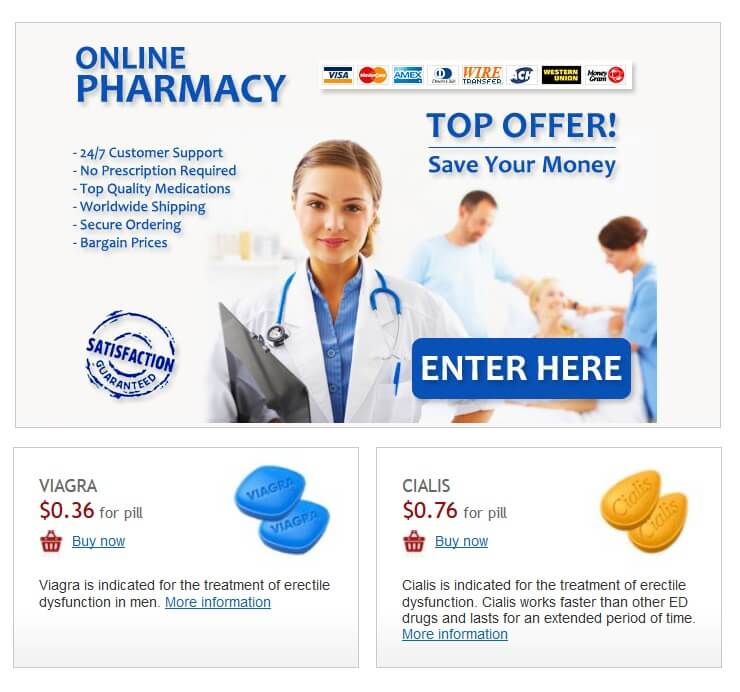
Note any red flags. These include websites lacking contact information, pharmacies offering suspiciously low prices, or those that don’t require prescriptions.
What Information to Provide
| Website Address | Full URL of the website |
| Contact Information | Phone numbers, email addresses, physical addresses (if available) |
| Medications Offered | List the specific drugs sold |
| Pricing | Note any unusually low prices |
| Prescription Requirements | Describe the process for obtaining prescriptions (if any) |
Additional Resources
The National Association of Boards of Pharmacy (NABP) offers resources to help identify legitimate online pharmacies. Check their website for a verified internet pharmacy practice site (VIPPS) accreditation program.
Remember:
Protecting your health is paramount. Buying medications from unverified sources is risky. Always consult your doctor or pharmacist before taking any medication.