Check the pharmacy’s license and registration with your country’s regulatory bodies. Look for a physical address and contact information–avoid sites with only PO boxes or email addresses.
Verify the legitimacy of the website
Scrutinize the website’s security measures. A secure website uses HTTPS (indicated by a padlock icon in the browser address bar). Avoid websites with poor grammar or unprofessional design, which often signal scams.
Research the pharmacy’s reputation. Read independent reviews from other customers, looking for consistent feedback on their experiences. Use multiple review sources to get a broader picture.
Beware of suspiciously low prices
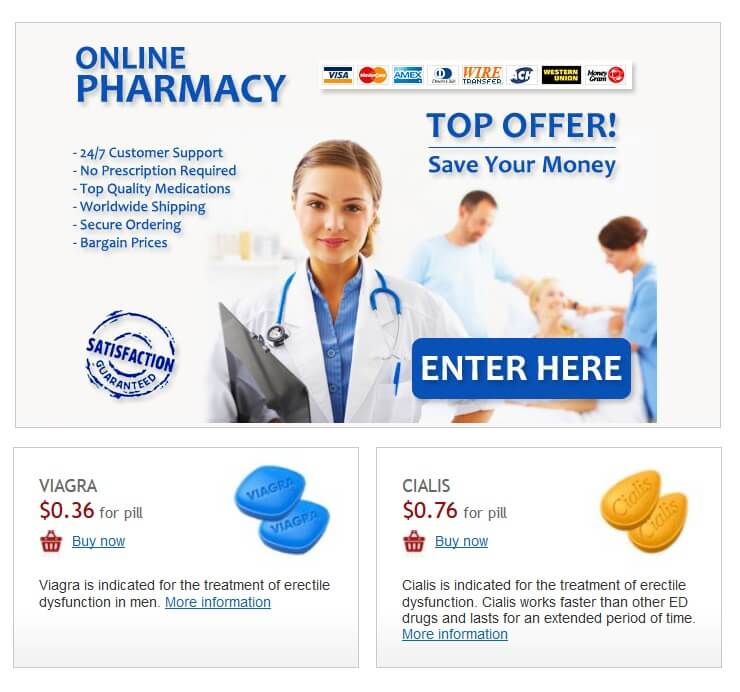
Prices significantly lower than average often indicate counterfeit or substandard medications. Be cautious if a website offers unusually deep discounts or “too good to be true” deals on prescription drugs.
Review the payment methods
Legitimate pharmacies typically accept secure payment methods like credit cards processed through established gateways. Be wary of websites that request payment via wire transfers or untraceable methods.
Confirm your prescription details
Ensure the online pharmacy requires a valid prescription from your doctor before dispensing medication. A legitimate pharmacy will never sell controlled substances without a proper prescription.
Understand your rights and recourse
Familiarize yourself with your rights as a consumer and the legal avenues for redress if you suspect you’ve been scammed. Report fraudulent activity to the appropriate authorities.
Don’t hesitate to consult your doctor
Discuss your medication needs and potential online pharmacy options with your doctor or pharmacist. They can provide valuable advice and help identify potentially risky online pharmacies.